
News
Application notes and practical guidance on coagulant selection, polymer dosing and chemical import logistics.
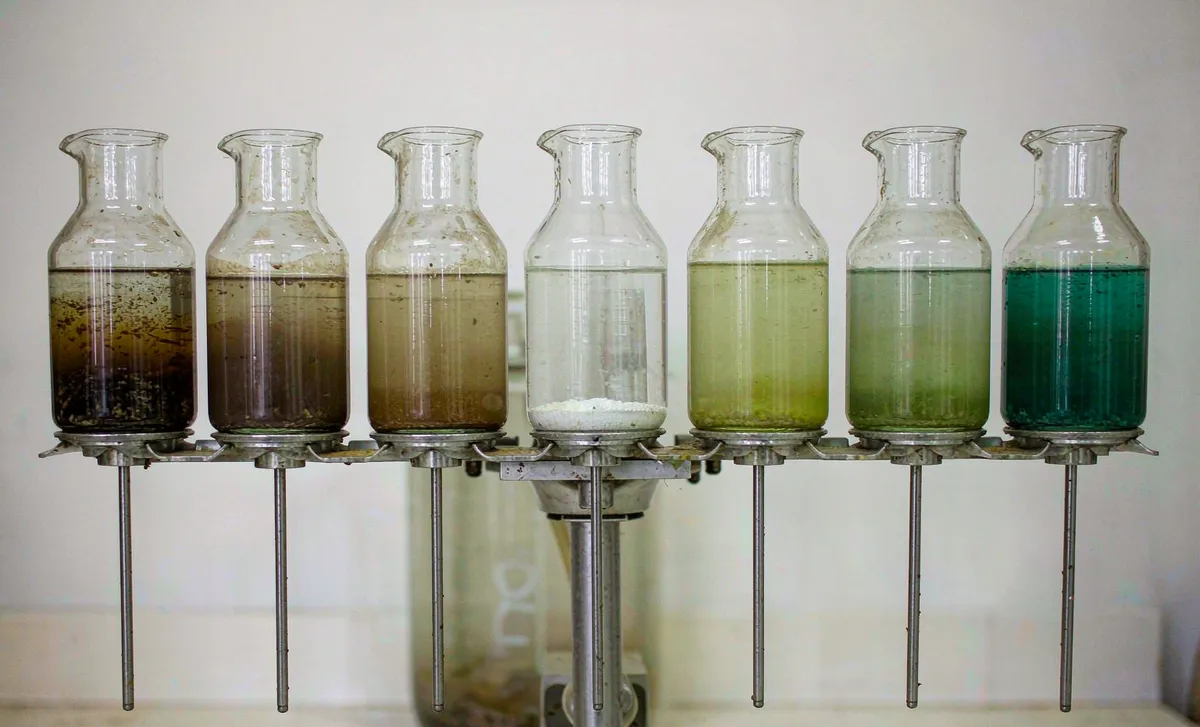
Effluent SS Exceedance: Finding the Real Cause Before Doubling the Dose
Effluent suspended solids have only two ways to escape: bad settling or hydraulic carryover. This troubleshooting guide shows how SV30 separates the two cases, what to do about filamentous bulking, when clarifier-ahead coagulant aid is legitimate — and when the real problem is just an inaccurate dosing pump.
Read →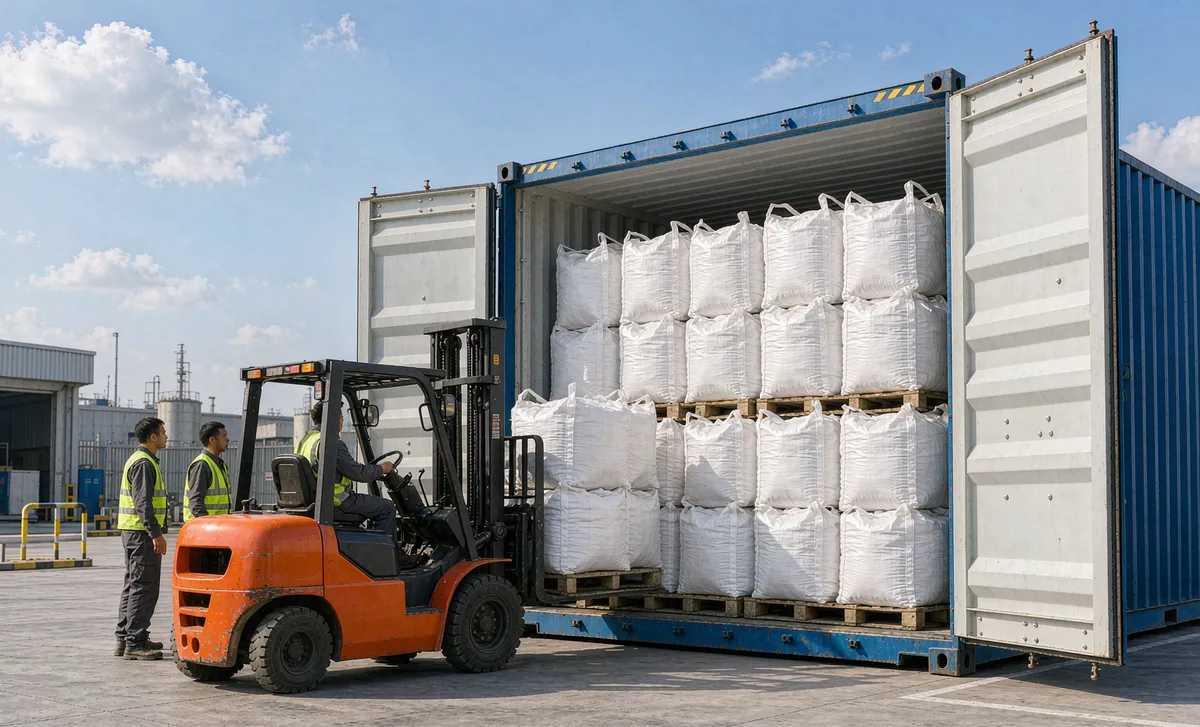
Export Packaging of Water Treatment Chemicals: What Buyers Should Specify
Bag type, liner, pallet pattern and container loading plan decide whether 26 tons of powder arrive dry and intact. A checklist for buyers importing treatment chemicals by sea.
Read →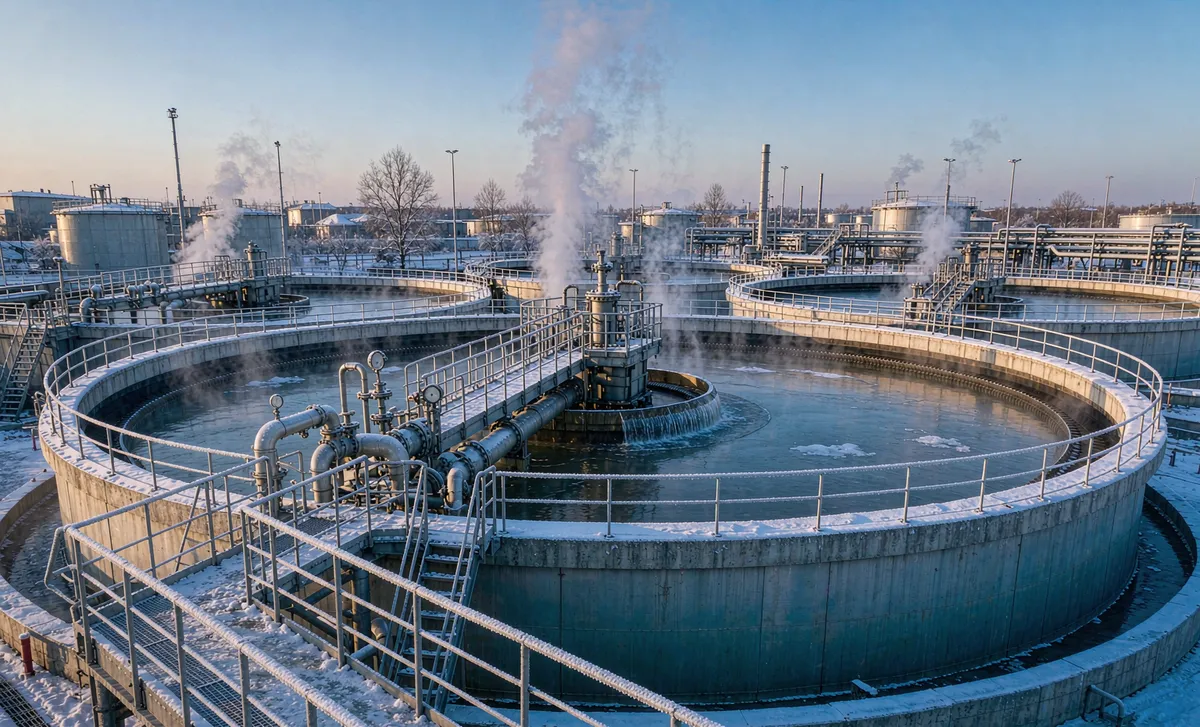
Winter Operation of Wastewater Plants: What Chemists Should Adjust
Cold water slows nitrification, shrinks coagulation flocs and changes how polymers dissolve and how hypochlorite behaves in storage. This checklist covers the chemical-side adjustments — PAC dosing, PAM preparation, hypochlorite handling and freeze protection — that keep winter effluent compliant.
Read →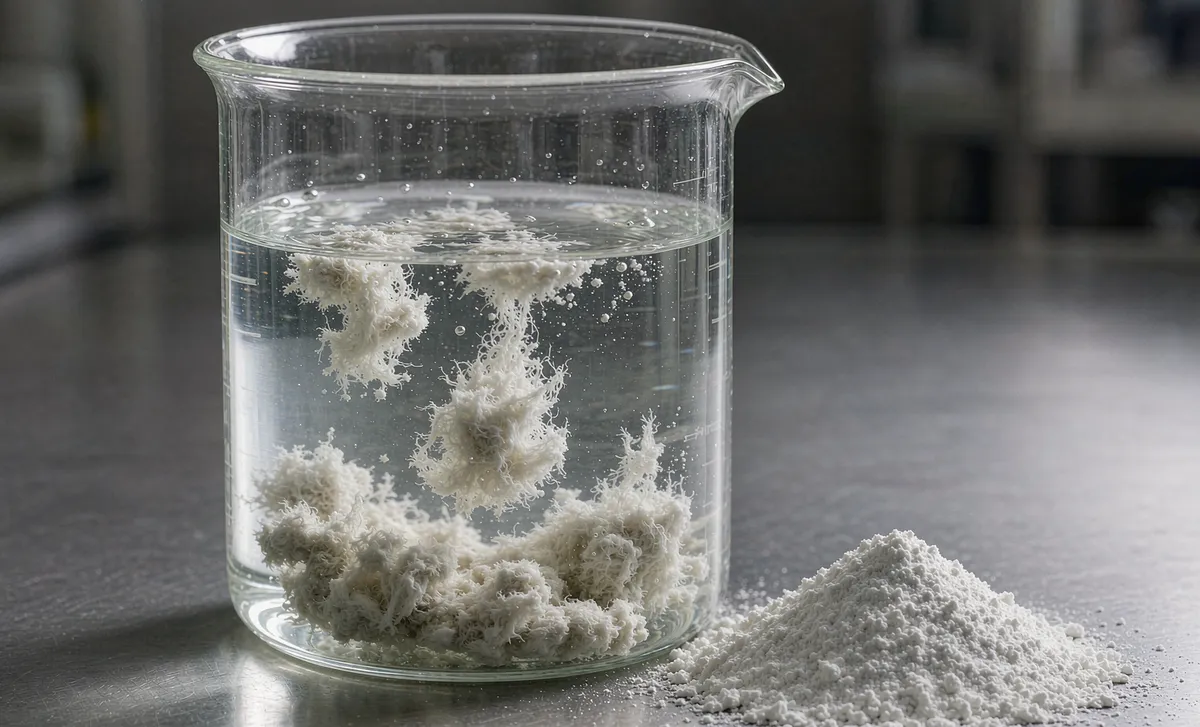
Polyacrylamide Dosing: Six Practical Mistakes to Avoid
Wrong dissolution, aging time, dosing point or pump selection waste expensive polymer. Six field-proven rules that keep PAM consumption and dewatering performance on target.
Read →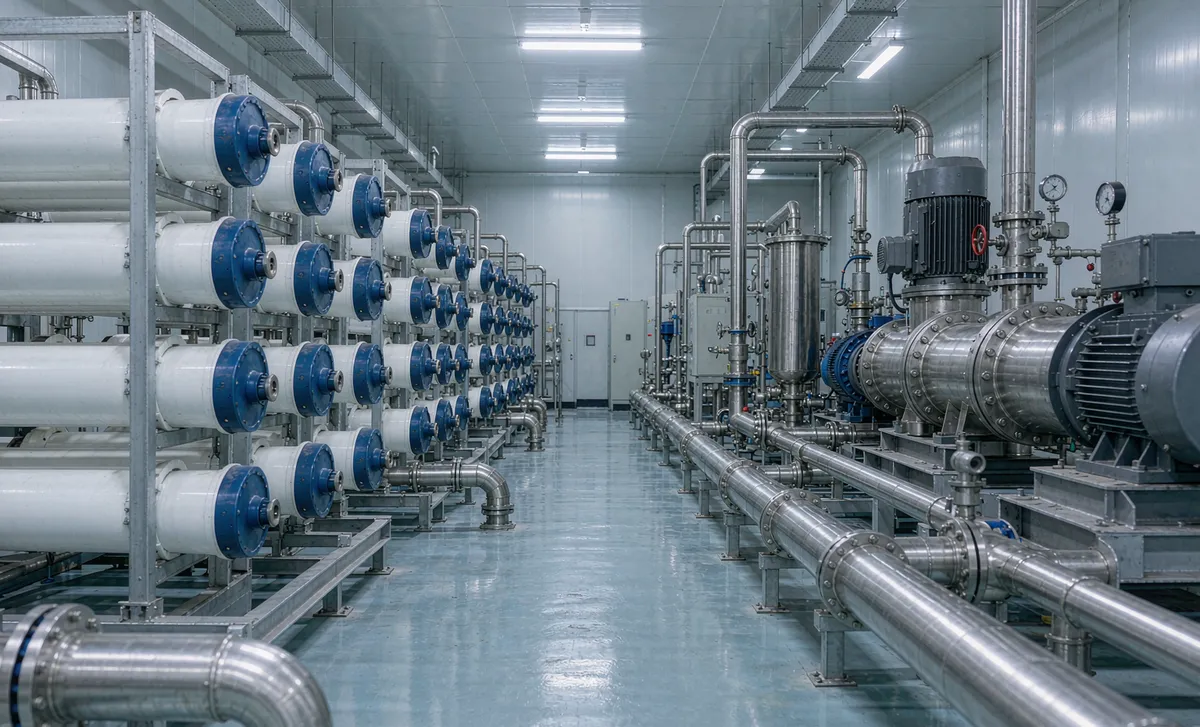
RO Membrane Fouling: Antiscalant Dosing and CIP Cleaning Routine
Scaling, iron, organics and biofilm each block RO membranes differently and each responds to a different chemistry. This guide covers continuous antiscalant dosing at 2–6 ppm, the acid-then-alkaline CIP routine, and the operating signals that tell you it is time to clean.
Read → PAC vs. Ferric Coagulants: How to Choose for Your Wastewater Plant
Aluminium-based PAC and iron-based PFS/FeSO₄ each fit different wastewater conditions. This comparison covers pH window, sludge volume, phosphorus removal and cost per ton of water treated.
Read →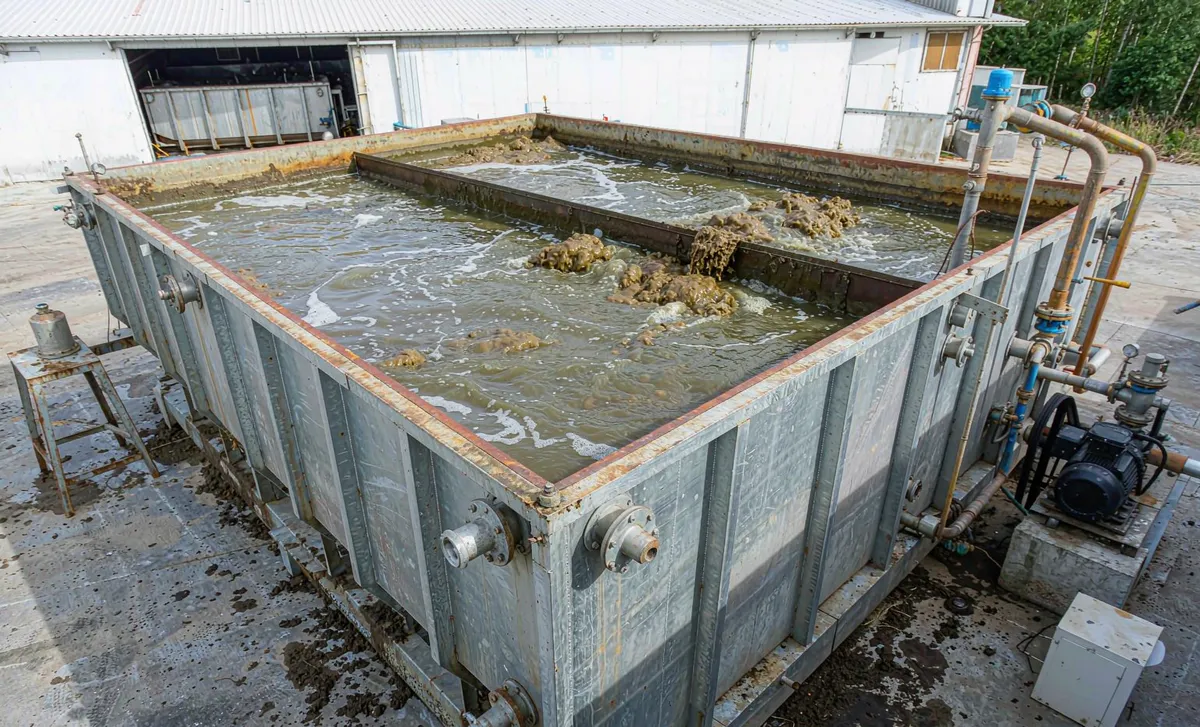
Oily Wastewater: Emulsion Breaking and DAF with the Right Chemicals
Free oil, emulsified oil and dissolved oil behave completely differently in water. This article explains why gravity separation fails on emulsions, how demulsifiers and pH adjustment break them, and how PAC plus anionic PAM make a DAF actually work.
Read → Coagulant & Flocculant Selection for Industrial Wastewater — with Dosage Calculation
Start with a water analysis (pH, turbidity, COD, colloid charge), match the coagulant base (PAC, PFS, alum, FeSO₄) and PAM charge to the matrix, then convert jar-test ppm into kg/day with one formula. Includes worked example and typical dosing ranges.
Read →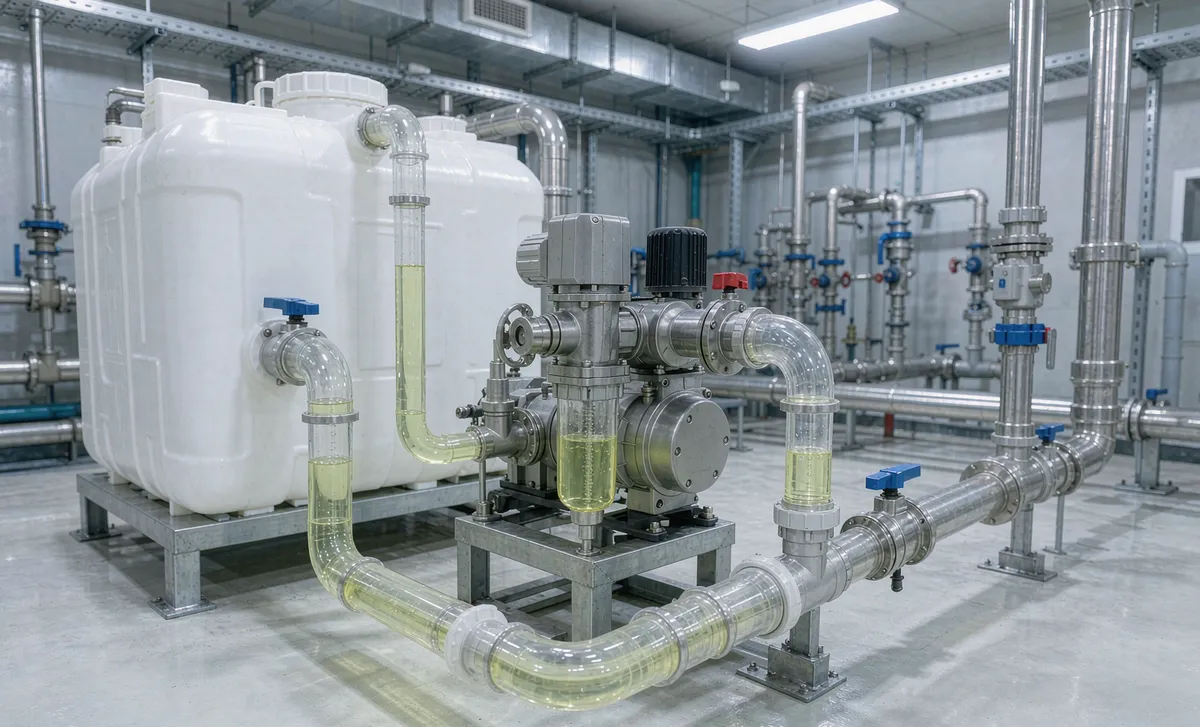
Effluent Disinfection: Sodium Hypochlorite vs UV vs Ozone
Sodium hypochlorite, UV and ozone disinfect secondary effluent in fundamentally different ways. This guide compares investment cost, contact time, residual effect and online monitoring, so you can match the method to your discharge limit or reuse goal.
Read →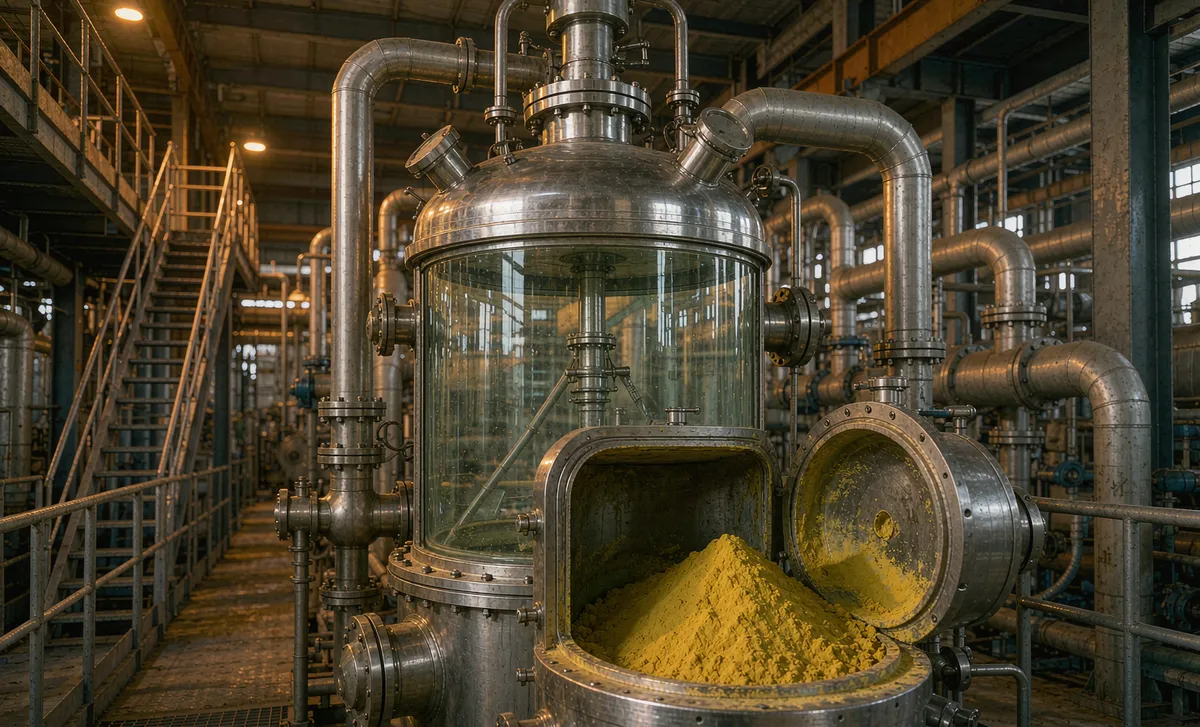
PAC Buying Guide: Spray-Dried, Drum-Dried and Plate-Frame Grades
Spray-dried, drum-dried and plate-frame poly aluminium chloride differ mainly in water insolubles (about 0.3% vs 1%+), dissolution speed and batch consistency. Here is how to match the grade to your plant — and what to verify on every COA.
Read →Request a quotation
Send your product, quantity and destination port — you will receive an offer with specifications, packaging and lead time.