
Textile & Dyeing Wastewater
Decolourization with PFS/PAC and anionic PAM, COD reduction and hypochlorite oxidation for dyeing effluent.

Textile dyeing and printing effluent is defined by colour: reactive, disperse, sulphur and azo dyes stay dissolved or finely dispersed at high visual intensity, alongside COD from dye auxiliaries, sizing agents, surfactants and detergents. Treatment must strip colour, cut COD and control foam before discharge or reuse.
Chemical decolourization leads the train: PFS is particularly effective against reactive and sulphur dyes, while PAC handles disperse-dye streams — anionic PAM then grows the flocs for settling or flotation. Biological treatment follows for the dissolved organics, with sodium hypochlorite oxidation available as a polishing step for residual colour, and defoamer on aeration basins where surfactants drive foam. Cationic PAM conditions the dye-laden sludge before dewatering.
We supply these chemicals from Zhengzhou in export-grade packaging with batch COA, and support mills and EPC contractors with dosing recommendations for their dye matrix — jar-test protocols included on request.
Common challenges
- Water-soluble reactive dyes with sulphonic groups resisting simple coagulation and settling
- High and fluctuating COD from dyes, sizing agents and surfactants, part of it refractory to biology
- Surfactant-driven foam in aeration basins tripping level instruments and carrying solids over
- Variable pH and salt loads from dye baths complicating chemical selection and biological stability
Recommended treatment approach
- 1
Decolourization coagulation: PFS at 200–500 ppm for reactive/sulphur dye streams; PAC at 100–300 ppm where disperse dyes dominate. Lab jar testing selects the coagulant for the specific dye matrix.
- 2
Flocculation: anionic PAM at 1–5 ppm after coagulation to form large colour-laden flocs for settling or flotation.
- 3
Oxidation polishing: sodium hypochlorite dosed to ORP control for residual colour after biology where limits demand it.
- 4
COD support: COD degrader on refractory organics; defoamer at aeration basins to keep foam events from disrupting the biological stage.
- 5
Sludge line: cationic PAM (charge 40–55%) before filter presses or centrifuges on the dye-laden sludge.
Products typically used
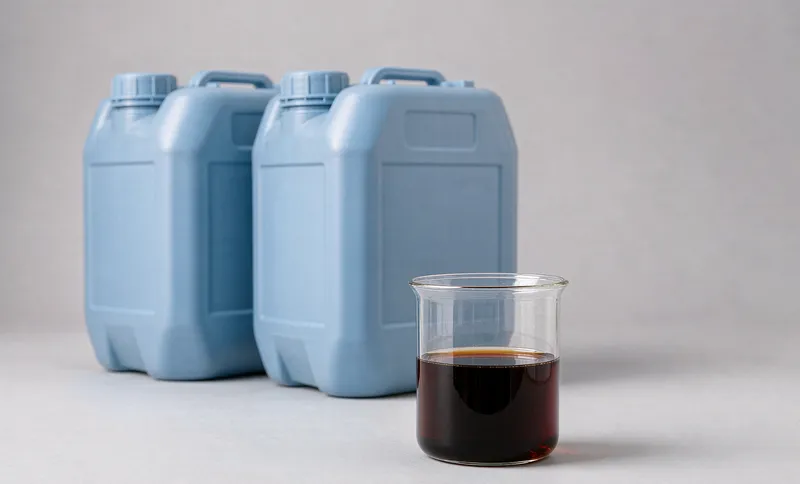 PFS
Poly Ferric Sulfate (PFS)
Coagulants & Flocculants
Iron-based polymer coagulant with strong phosphorus and sulphide removal
View product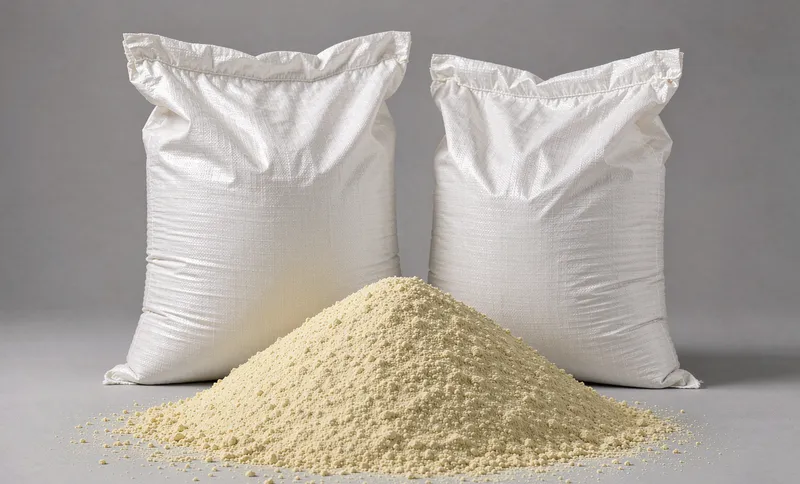 PAC
Poly Aluminium Chloride (PAC)
Coagulants & Flocculants
Inorganic polymer coagulant for suspended solids, phosphorus and colour removal
View product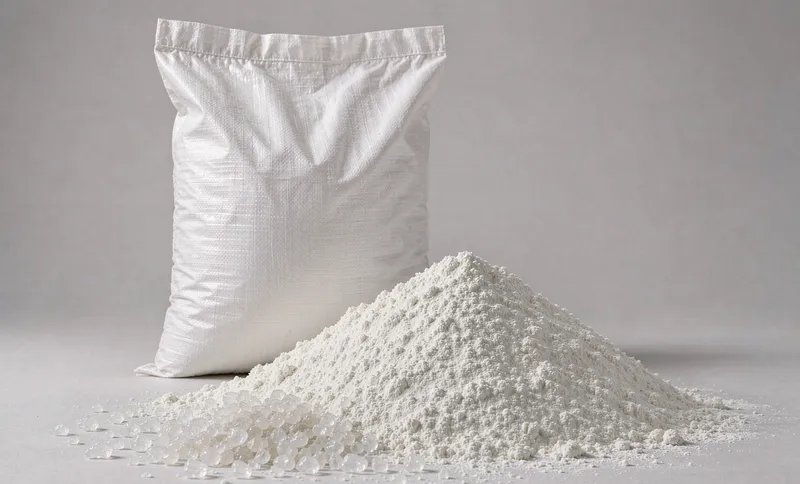 APAM
Anionic Polyacrylamide (APAM)
Coagulants & Flocculants
High-molecular-weight flocculant for sedimentation, flotation and sludge dewatering
View product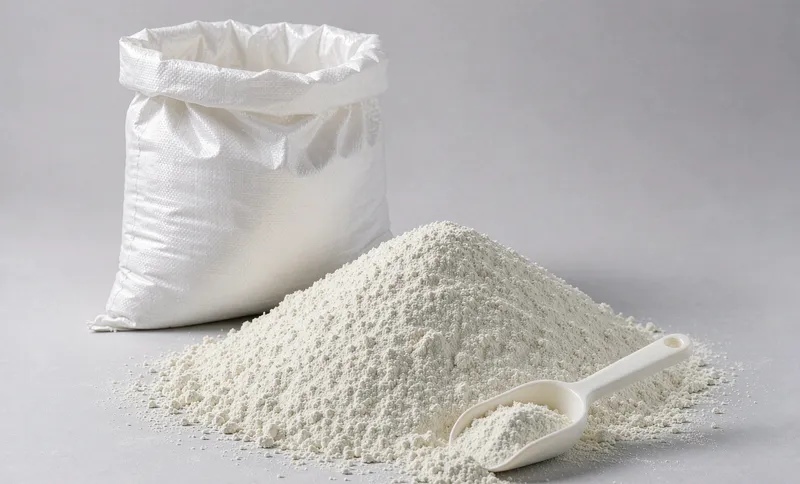 CPAM
Cationic Polyacrylamide (CPAM)
Coagulants & Flocculants
Charge-neutralizing flocculant for organic sludge dewatering and biosolids conditioning
View product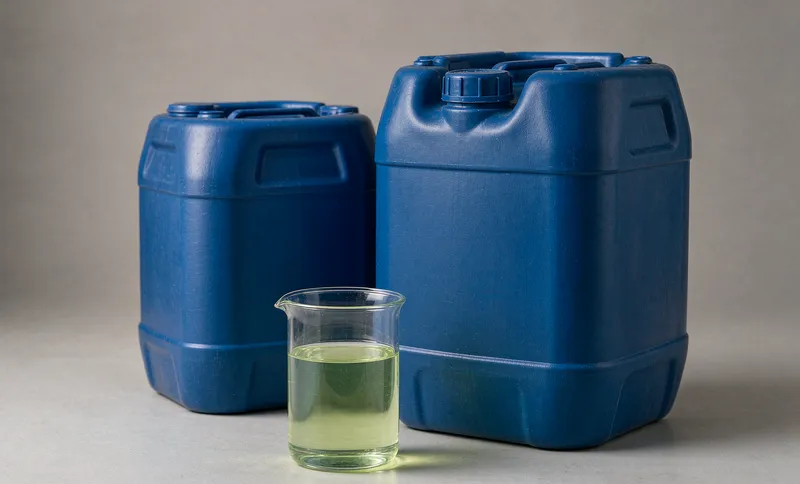 NaOCl
Sodium Hypochlorite
Oxidizers & Disinfectants
Oxidizing disinfectant for effluent polishing, cyanide oxidation and odour control
View product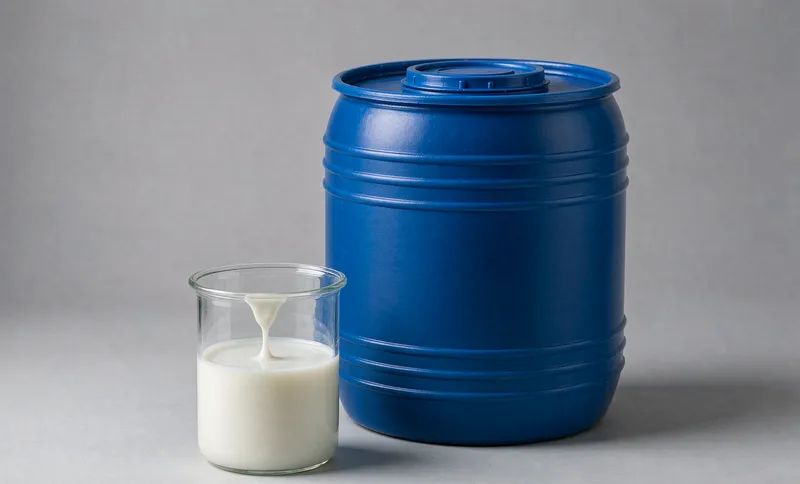
Antifoam / Defoamer
Specialty Chemicals
Silicone-based foam control for aeration basins, MBR and biological treatment
View product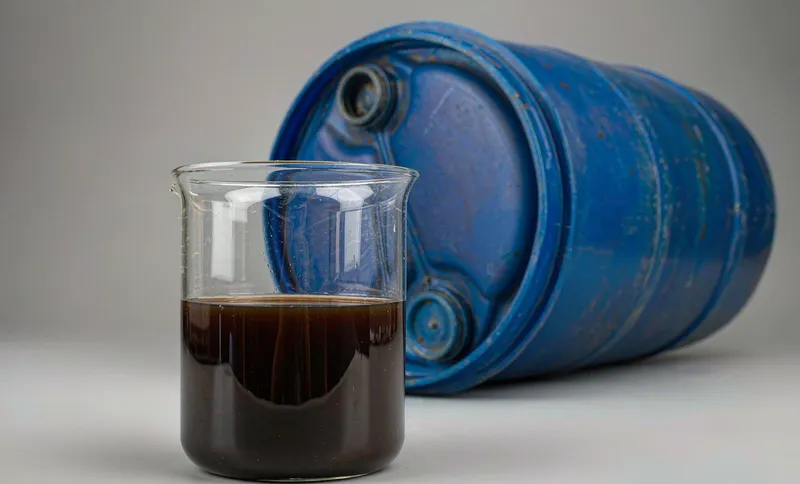
COD Degrader (Catalyzed Oxidant Blend)
Advanced Treatment Chemicals
Persulfate/chlorite catalyzed oxidant for refractory COD in biological effluent
View productRequest a quotation
Send your product, quantity and destination port — you will receive an offer with specifications, packaging and lead time.