
Pulp & Paper Wastewater
Lignin and colour removal with PAC coagulation, anionic PAM flocculation, defoamers and retention aids for mills.
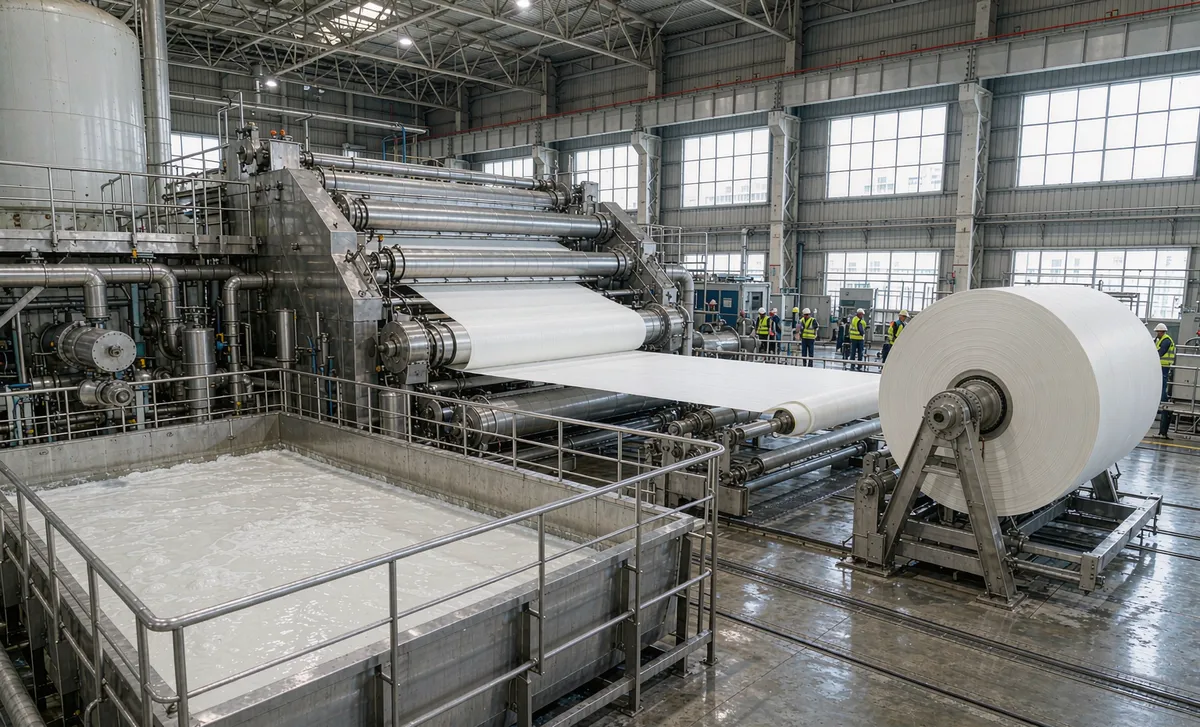
Pulp and paper effluent carries very high suspended solids — fibers, fines and filler — plus dissolved lignin derivatives, tannins and bleaching chemicals that give the water a dark brown colour and a heavy COD load. The treatment goal is to recover fibers where possible and cut solids, colour and COD before discharge or reuse.
Primary clarification or flotation does most of the solids work: PAC coagulates the colloidal lignin and colour bodies while anionic PAM builds large flocs that settle or float out quickly. Biological treatment then handles the dissolved organics, with defoamer controlling foam on aeration basins and biocide limiting slime growth in paper-machine water circuits. On the machine itself, low-dose PAM doubles as a retention and drainage aid, keeping fiber and filler in the sheet instead of the effluent.
We supply these chemicals from Zhengzhou in export-grade packaging with batch COA, and support mills and engineering contractors with dosing recommendations for their actual furnish and effluent — jar-test protocols included on request.
Common challenges
- Fiber, fines and filler loading primary clarifiers at solids levels far above typical industrial effluent
- Lignin and tannin colour surviving biological treatment and colouring the final effluent
- Foam events in aeration basins and slime deposits in process water circuits
- Fiber-rich sludge volumes making dewatering a major operating cost
Recommended treatment approach
- 1
Coagulation: PAC at 150–400 ppm against high lignin and colour loads; PFS as an alternative where darker effluent needs stronger colour knockdown.
- 2
Flocculation: anionic PAM at 0.5–3 ppm ahead of primary clarifiers or DAF to build fast-settling fiber flocs.
- 3
Foam and slime control: silicone/polyether defoamer at aeration basins and whitewater loops; compatible biocide dosed intermittently against machine slime.
- 4
Retention aid: PAM-based retention/drainage aid at 100–500 g per tonne of paper to hold fiber and filler in the sheet and reduce solids to effluent.
- 5
Sludge dewatering: cationic PAM (charge 40–55%) before screw presses or belt filters on the fiber-rich sludge line.
Products typically used
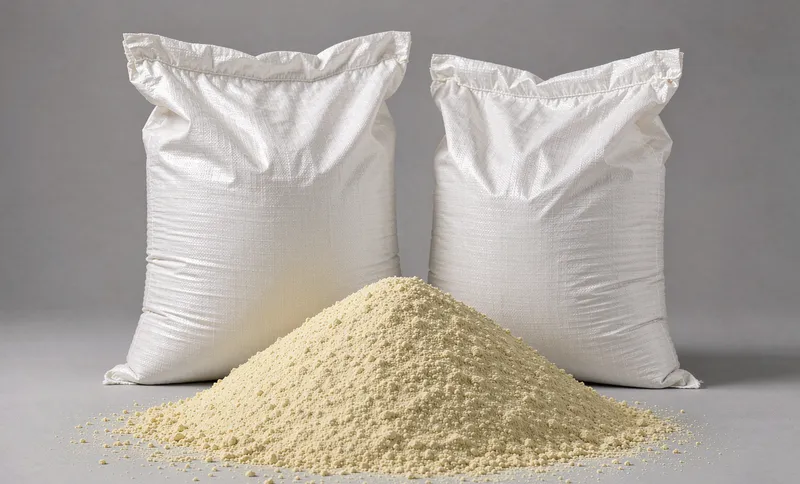 PAC
Poly Aluminium Chloride (PAC)
Coagulants & Flocculants
Inorganic polymer coagulant for suspended solids, phosphorus and colour removal
View product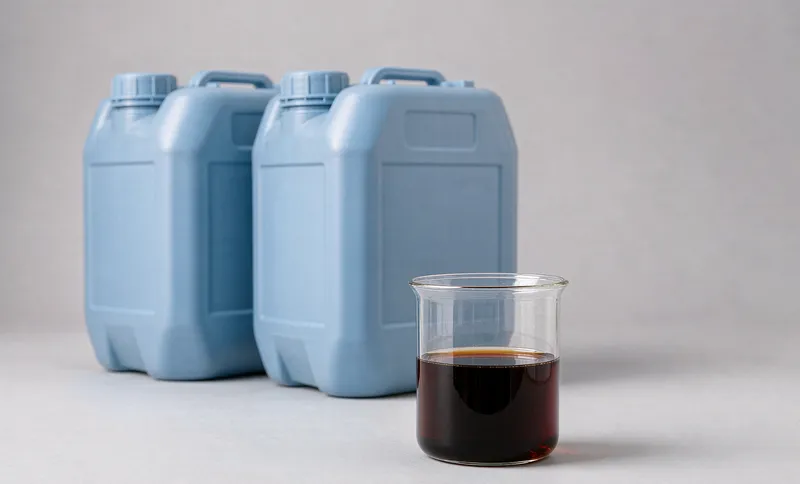 PFS
Poly Ferric Sulfate (PFS)
Coagulants & Flocculants
Iron-based polymer coagulant with strong phosphorus and sulphide removal
View product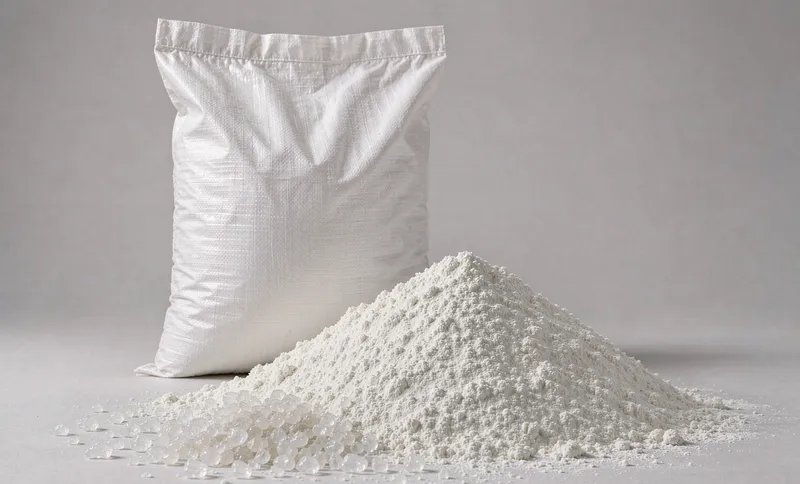 APAM
Anionic Polyacrylamide (APAM)
Coagulants & Flocculants
High-molecular-weight flocculant for sedimentation, flotation and sludge dewatering
View product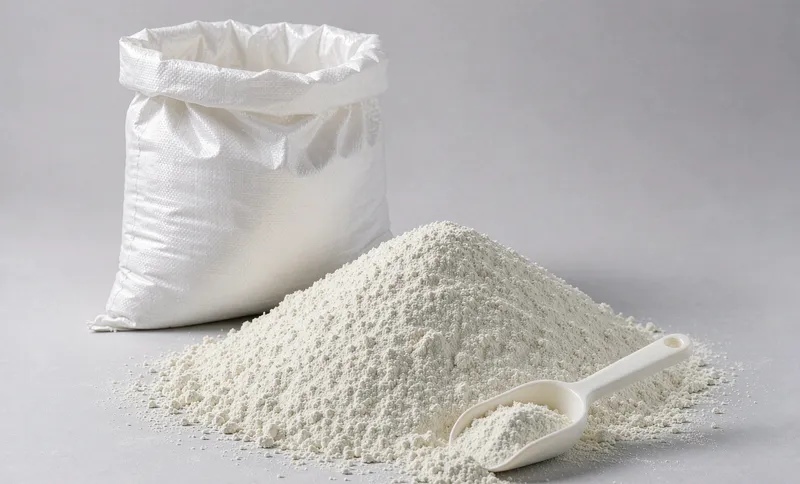 CPAM
Cationic Polyacrylamide (CPAM)
Coagulants & Flocculants
Charge-neutralizing flocculant for organic sludge dewatering and biosolids conditioning
View product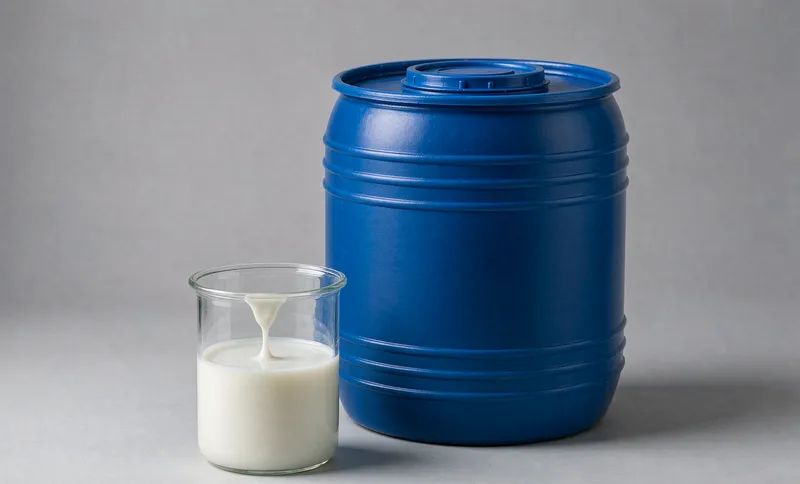
Antifoam / Defoamer
Specialty Chemicals
Silicone-based foam control for aeration basins, MBR and biological treatment
View product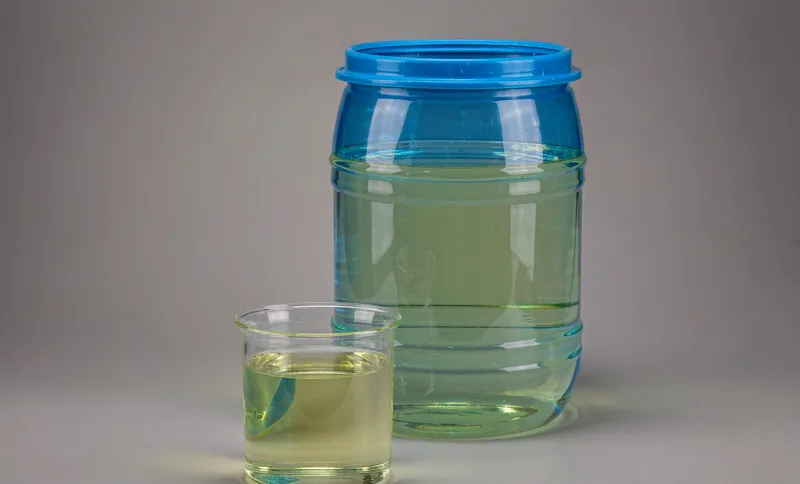
Broad-Spectrum Biocide (Isothiazolinone CMIT/MIT)
Specialty Chemicals
CMIT/MIT isothiazolinone biocide for biofilm, bacteria and fungi control in water systems
View productRequest a quotation
Send your product, quantity and destination port — you will receive an offer with specifications, packaging and lead time.