
Food & Beverage Wastewater
DAF chemistry with PAC and anionic PAM for grease and solids, cationic PAM dewatering and foam control.
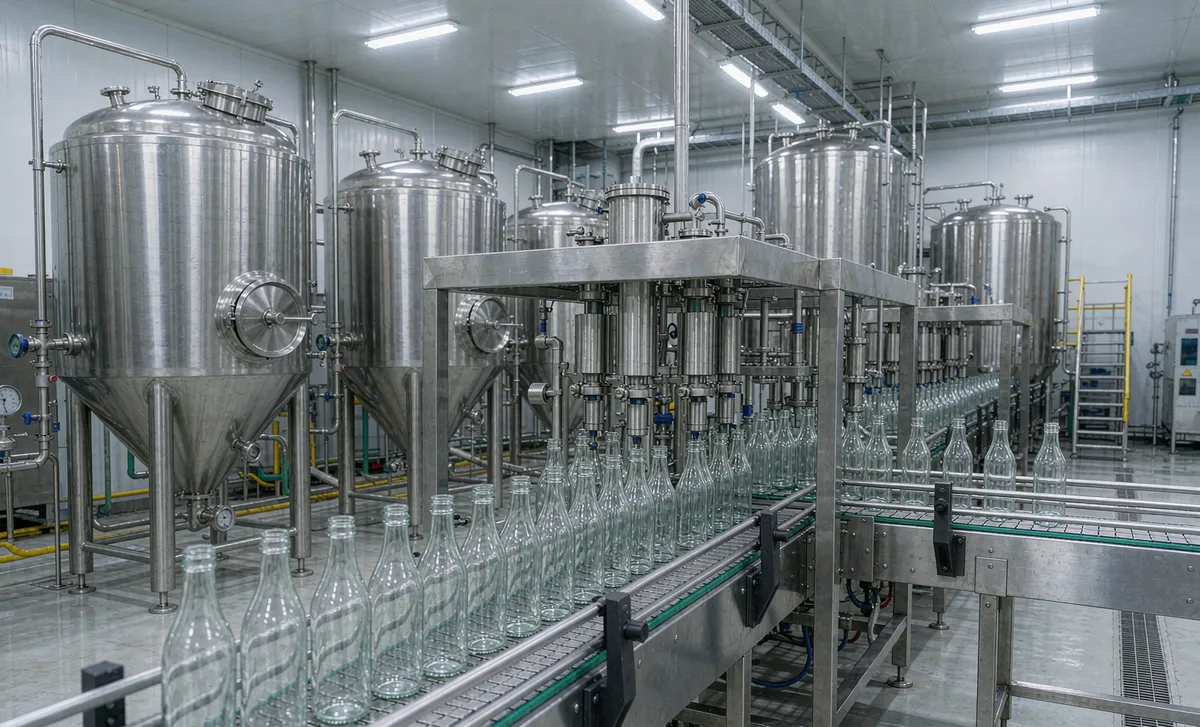
Food and beverage effluent — from dairies, breweries, meat processing, bakeries and soft-drink plants — is heavy in BOD and COD from organics, plus fats, oils and grease (FOG), proteins and starches in suspension. Grease in particular must come out early: it scums tanks, blocks lines and inhibits the biological stage that follows.
After screening and equalization, the key chemical point is dissolved air flotation (DAF): PAC coagulates the emulsified grease and proteins while anionic PAM forms the large, buoyant flocs the air bubbles can lift. Biological treatment then handles the dissolved BOD, defoamer keeps protein- and surfactant-driven foam down on aeration basins, and cationic PAM conditions the sticky organic sludge before screw presses or decanters.
We supply these chemicals from Zhengzhou in export-grade packaging with batch COA, and support plants and EPC contractors with dosing recommendations for their actual grease and BOD load — jar-test and DAF beaker-flotation protocols included on request.
Common challenges
- FOG separating as scum layers, blocking drain lines and smothering biological systems
- Slug loads from production changeovers and CIP cycles shocking the biological stage
- Protein- and surfactant-driven foam in aeration basins causing solids carry-over
- Sticky, high-organic sludge dewatering poorly and driving disposal cost
Recommended treatment approach
- 1
DAF chemistry: PAC at 50–200 ppm to break emulsified grease and coagulate proteins; PFS as an alternative where the water is protein-heavy.
- 2
Flotation flocs: anionic PAM at 1–5 ppm after coagulation to build large, air-buoyant flocs for a clean DAF float.
- 3
Foam control: food-grade silicone or polyether defoamer dosed at aeration basins, equalization tanks and DAF launders.
- 4
Biological support: ammonium remover for ammonia spikes after protein breakdown; biocide reserved for non-biological cooling and process water circuits.
- 5
Sludge dewatering: cationic PAM (charge 40–55%) before screw presses, belt filters or decanters on the high-organic sludge line.
Products typically used
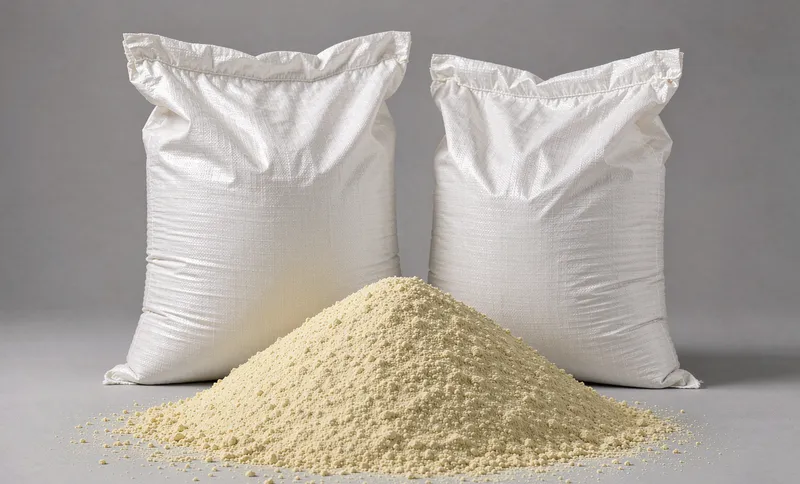 PAC
Poly Aluminium Chloride (PAC)
Coagulants & Flocculants
Inorganic polymer coagulant for suspended solids, phosphorus and colour removal
View product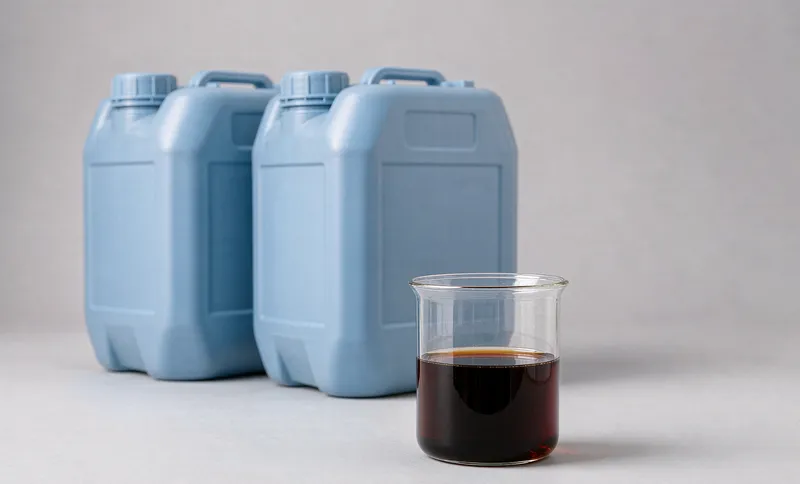 PFS
Poly Ferric Sulfate (PFS)
Coagulants & Flocculants
Iron-based polymer coagulant with strong phosphorus and sulphide removal
View product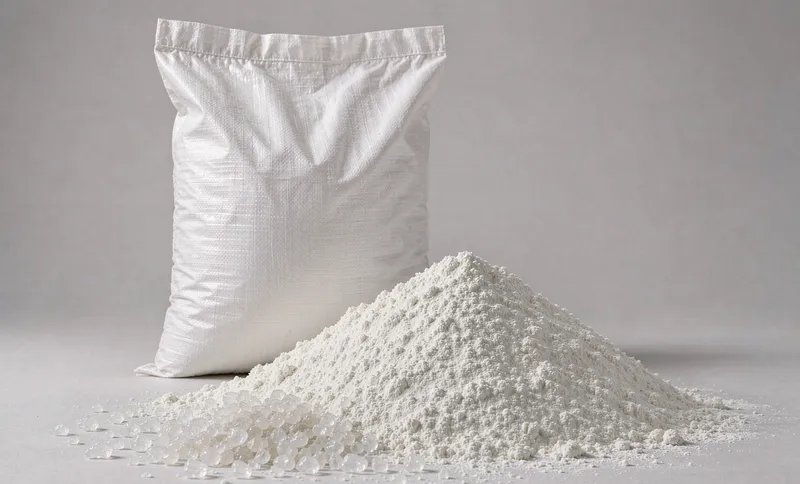 APAM
Anionic Polyacrylamide (APAM)
Coagulants & Flocculants
High-molecular-weight flocculant for sedimentation, flotation and sludge dewatering
View product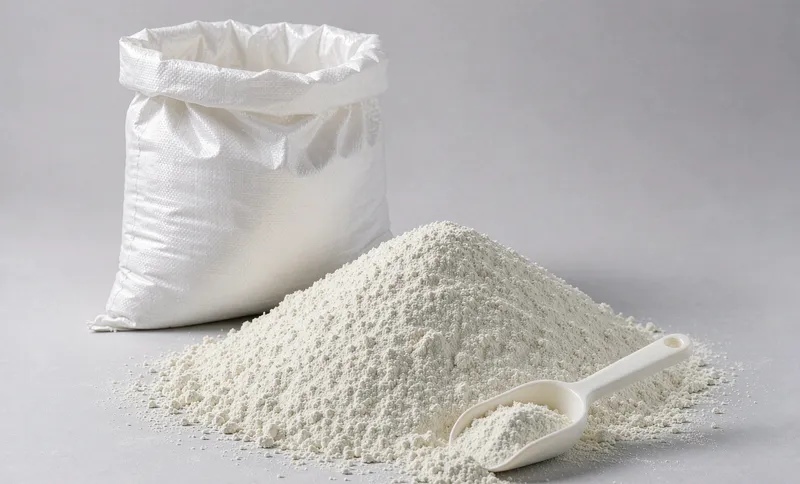 CPAM
Cationic Polyacrylamide (CPAM)
Coagulants & Flocculants
Charge-neutralizing flocculant for organic sludge dewatering and biosolids conditioning
View product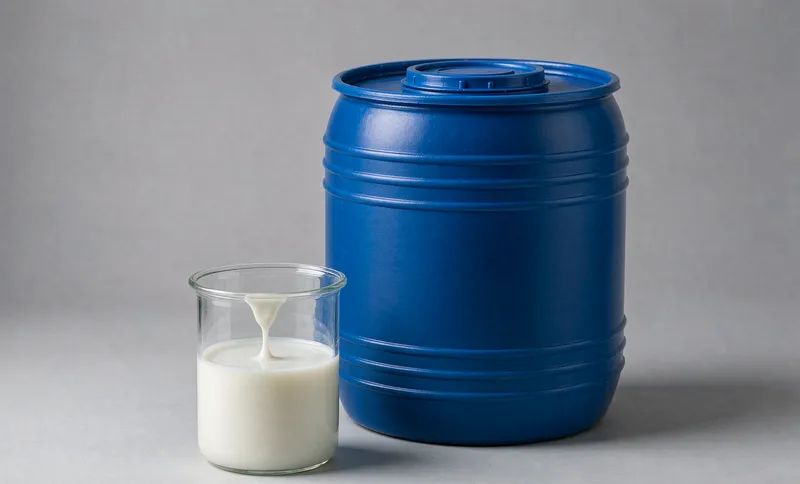
Antifoam / Defoamer
Specialty Chemicals
Silicone-based foam control for aeration basins, MBR and biological treatment
View product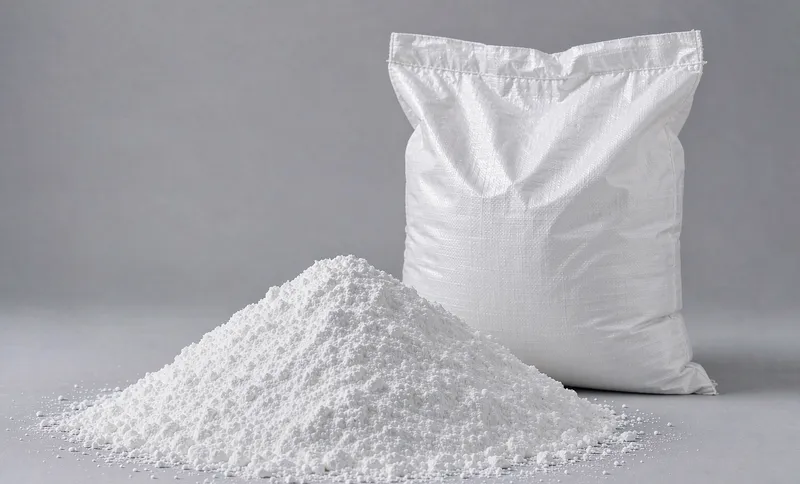
Ammonia Nitrogen Remover (MAP Precipitation Reagent)
Advanced Treatment Chemicals
Magnesium-salt reagent that strips ammonia nitrogen by struvite (MAP) precipitation
View product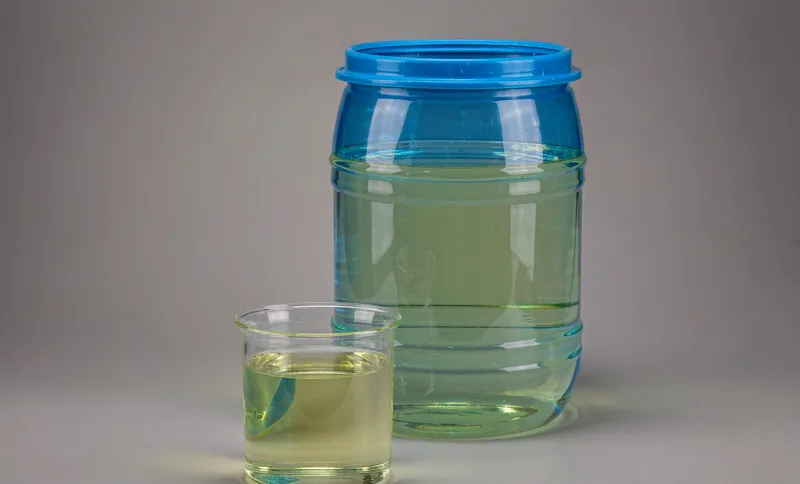
Broad-Spectrum Biocide (Isothiazolinone CMIT/MIT)
Specialty Chemicals
CMIT/MIT isothiazolinone biocide for biofilm, bacteria and fungi control in water systems
View productRequest a quotation
Send your product, quantity and destination port — you will receive an offer with specifications, packaging and lead time.