
Electroplating Wastewater
Cr(VI) reduction with ferrous sulfate, two-stage cyanide oxidation and DTC heavy-metal capture for plating effluent.

Electroplating rinse water carries hexavalent chromium from chrome baths, cyanide from cyanide plating and degreasing lines, and a broad list of heavy metals — nickel, copper, zinc, tin — often as hydroxide-resistant complexes. Discharge limits for these species are strict, so each stream must be treated in the right sequence before the metals can be removed.
Hexavalent chromium is first reduced at pH 2.5–3 with ferrous sulfate to trivalent chromium, which then precipitates as hydroxide in the neutralization stage. Cyanide is destroyed by two-stage alkaline chlorination: sodium hypochlorite at pH 10.5–11.5 oxidizes cyanide to cyanate, then a second stage at pH 7.5–8.5 completes the breakdown. Remaining metals precipitate at pH 8.5–10.5, with a DTC-based heavy-metal catcher binding chelated nickel and copper that hydroxide precipitation misses, and PAM settling the flocs.
We supply these chemicals from Zhengzhou in export-grade packaging with batch COA, and support plating plants and engineering contractors with dosing selection for their metal and cyanide loads — ORP/pH control charts and jar-test protocols included on request.
Common challenges
- Chelated and ammonia-complexed nickel and copper passing straight through conventional hydroxide precipitation
- Cyanide oxidation forming toxic cyanogen chloride if the first-stage pH drops below the 10.5–11.5 window
- Hexavalent chromium requiring an acid reduction step (pH 2.5–3) before any neutralization or precipitation can occur
- Multiple segregated streams with different pH targets demanding careful sequencing and control
- Metal-hydroxide sludge classed as hazardous, making a dry cake from the filter press a cost issue
Recommended treatment approach
- 1
Cr(VI) reduction: ferrous sulfate at pH 2.5–3 with ORP control to reduce hexavalent chromium ahead of the neutralization tank; PFS can co-precipitate the resulting Cr(III).
- 2
Cyanide destruction: two-stage alkaline chlorination with sodium hypochlorite — first stage at pH 10.5–11.5 to cyanate, second stage at pH 7.5–8.5 to nitrogen and carbonate. Calcium hypochlorite is a stable-dosing alternative.
- 3
Metal precipitation: pH adjustment to 8.5–10.5 with PAC/PFS assist for hydroxide flocs; DTC heavy-metal catcher at 10–50 ppm to bind chelated Ni, Cu and Zn to sub-mg/L levels.
- 4
Clarification: anionic PAM at 0.5–2 ppm to form fast-settling metal-hydroxide flocs; nonionic PAM where the stream is acidic or high in salts.
- 5
Sludge line: cationic PAM (charge 40–55%) before filter presses to push the hazardous sludge toward a dry, low-volume cake.
Products typically used
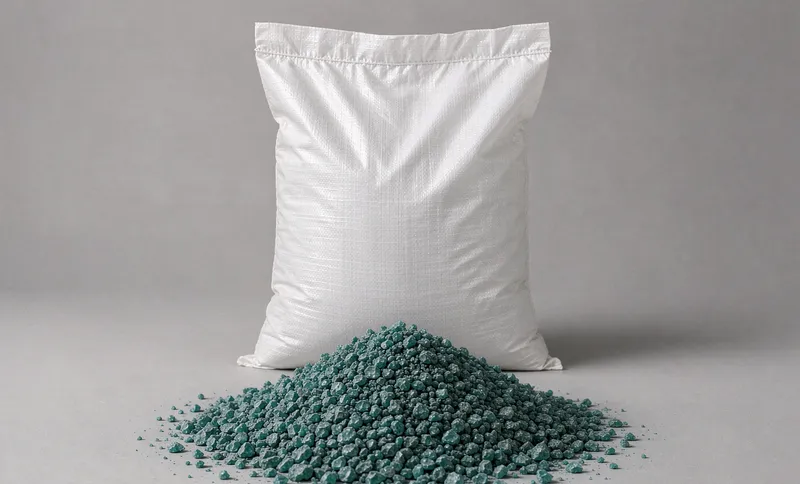 FeSO₄
Ferrous Sulfate Heptahydrate (FeSO₄·7H₂O)
Coagulants & Flocculants
Reducing coagulant for hexavalent chromium reduction, phosphorus removal and colour stripping
View product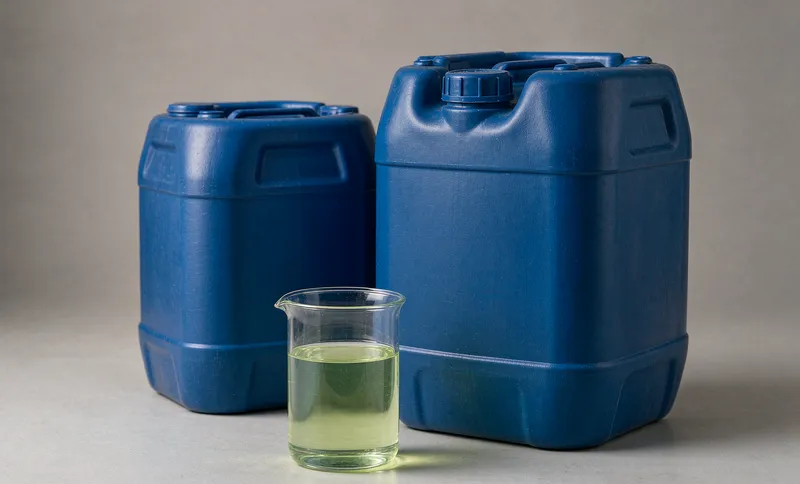 NaOCl
Sodium Hypochlorite
Oxidizers & Disinfectants
Oxidizing disinfectant for effluent polishing, cyanide oxidation and odour control
View product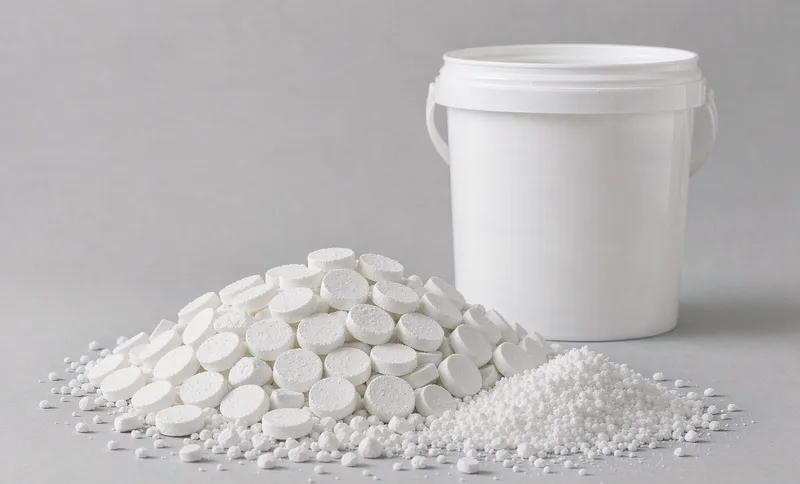 Ca(OCl)₂
Calcium Hypochlorite (65–70% Chlorine)
Oxidizers & Disinfectants
High-strength solid chlorinating agent for disinfection, shock chlorination and emergency dosing
View product
Heavy Metal Capture Agent (DTC Dithiocarbamate)
Advanced Treatment Chemicals
Dithiocarbamate chelating agent that precipitates heavy metals to discharge limits
View product PAC
Poly Aluminium Chloride (PAC)
Coagulants & Flocculants
Inorganic polymer coagulant for suspended solids, phosphorus and colour removal
View product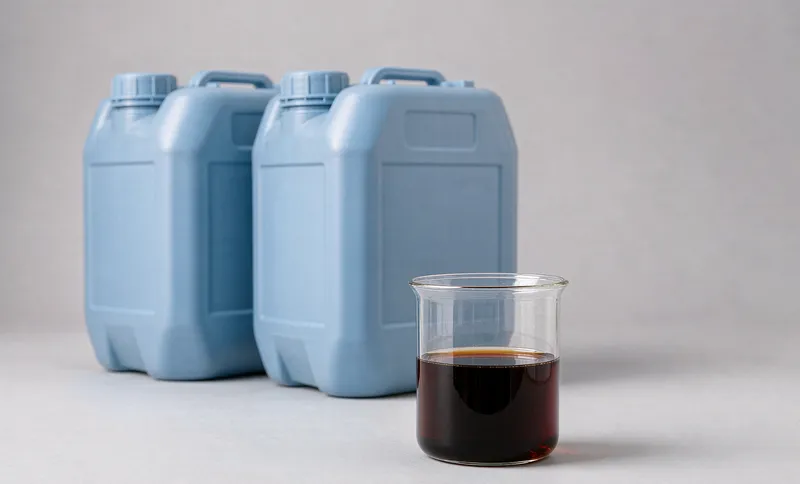 PFS
Poly Ferric Sulfate (PFS)
Coagulants & Flocculants
Iron-based polymer coagulant with strong phosphorus and sulphide removal
View product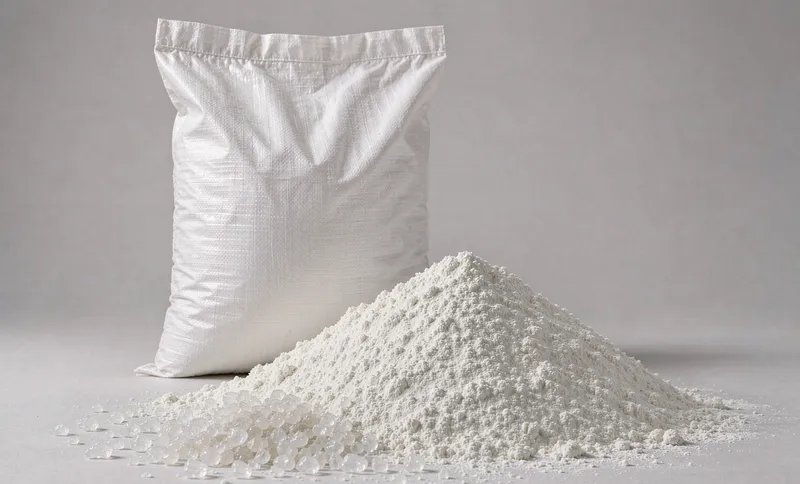 APAM
Anionic Polyacrylamide (APAM)
Coagulants & Flocculants
High-molecular-weight flocculant for sedimentation, flotation and sludge dewatering
View product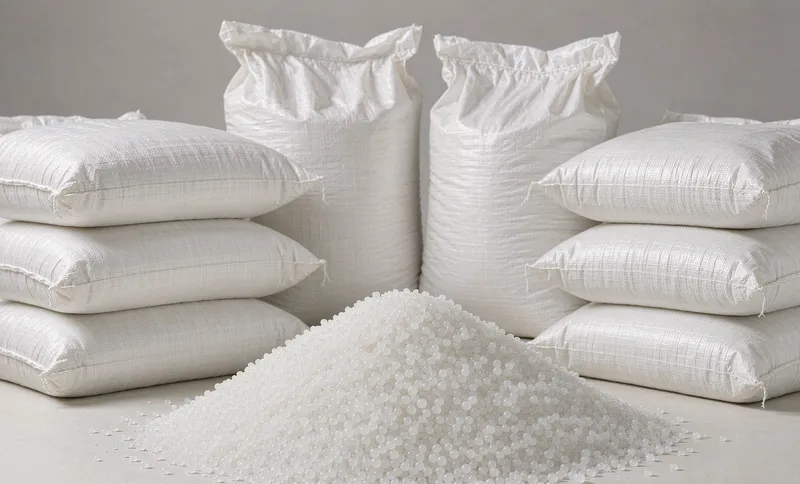 NPAM
Nonionic Polyacrylamide (NPAM)
Coagulants & Flocculants
Charge-neutral polymer for acidic or high-salinity waters where charged flocculants fail
View product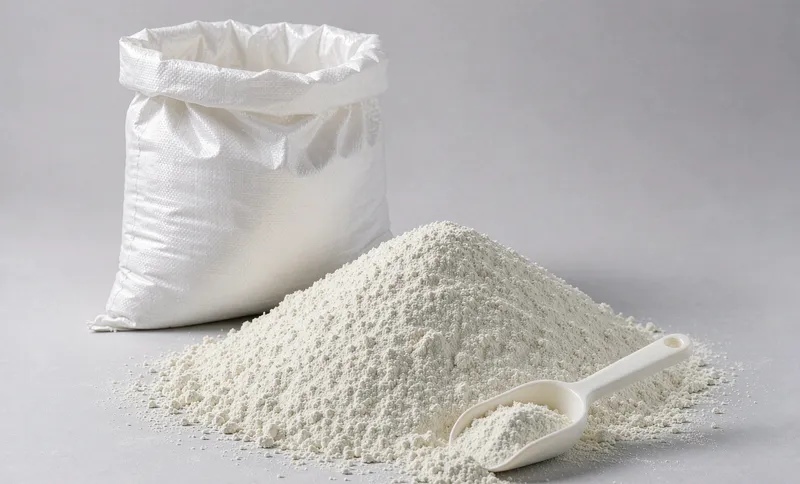 CPAM
Cationic Polyacrylamide (CPAM)
Coagulants & Flocculants
Charge-neutralizing flocculant for organic sludge dewatering and biosolids conditioning
View productRequest a quotation
Send your product, quantity and destination port — you will receive an offer with specifications, packaging and lead time.